Cat cremation in Pullman, Washington
By our estimate, 5,250 Pullman households have at least one cat. When the time comes for yours, here's how cremation works locally and what it usually costs.
- Help for multi-cat households
- Private cremation confirmed in writing
- Options for community cats too
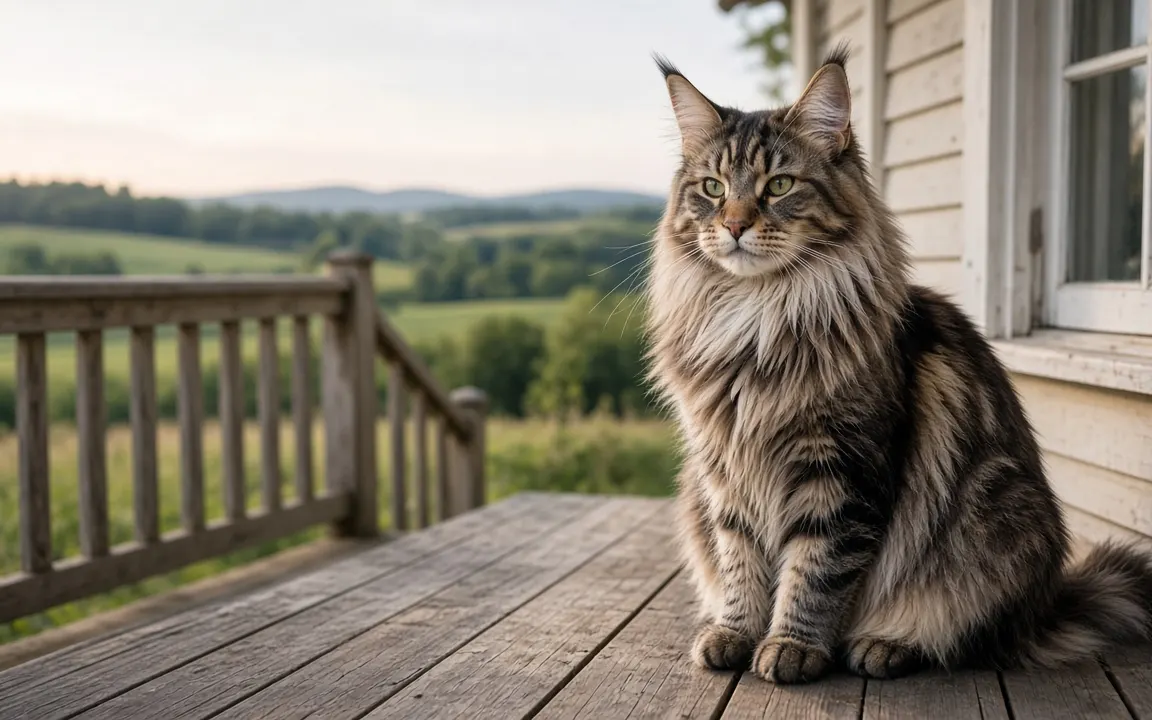
Pullman, Washington
Who handles cat aftercare in Pullman
The Bill Chipman Palouse Trail to Moscow and the paths around town are favorite routes, and the view from Kamiak Butte takes in the whole Palouse. Student leases seldom permit digging in the yard, so a small urn that can go home at the end of the school year is the usual answer. Knowing that early helps if graduation or a move is coming.
Pullman is a college town in Whitman County, set among the rolling wheat hills of the Palouse about 65 miles south of Spokane, with Moscow, Idaho, just across the state line. Much of its population is students, faculty and staff at Washington State University, many living in apartments and rentals on the hills around campus. The university has a veterinary college, but your own clinic is still the first place to ask: ask which aftercare route it uses.
Barn cats and farm cats are part of life around Pullman, and many families care for several at once. When one dies, a quiet burial on the land is the usual choice, and a perfectly good one. If a particular cat was closer to you than the others, though, a private cremation lets you keep them, and communal cremation through your vet is an affordable option for cats you fed but never handled.
With roughly 33,756 residents, Pullman is the 39th-largest of the 67 Washington communities we cover. Some of the providers who serve Pullman are based about 65 miles away in Spokane, the nearest larger centre, so collection times reflect that drive.
The closest communities we cover are Moscow (8 miles), Lewiston (25 miles) and Spokane Valley (64 miles, a larger centre). Providers serving those towns often travel to Pullman too, so it can be worth asking them for a quote.
Our estimate
5,250
Pullman: cat-owning households, our estimate
How we calculated this
33,756 ÷ 2.5 = 13,502 households; × 39% (cat) = 5,250. Homes are counted once however many pets they keep.
Our estimate
470
cat deaths per year in Pullman, our estimate
How we calculated this
5,250 cat-owning homes ÷ average lifespan (cat: 11.18 yrs) ≈ 470 a year. The real figure is unlikely to be lower.
39%[1]
39% of US households own a cat, which is about 53 million households.
11.18 years[2]
US cats seen at Banfield hospitals have an average life expectancy at birth of 11.18 years.
79.1%[3]
Washington had a 79.1% cremation rate in 2024, among the highest in the US.
clinic $158; home $359; cremation $180; burial $566[4]
CareCredit's 2025 study put US cat euthanasia at $158 in clinic and $359 at home, cat cremation at $180 and cat cemetery burial at $566.
The published sources behind those figures are American Pet Products Association (APPA) 2025 State of the Industry and CareCredit (Synchrony).
Cremation in Washington, and what it means for cat owners
Local habits show up in small ways. Where about 79.1%[3] of people are cremated, as in Washington, relatives are more likely to keep an urn themselves and less likely to question yours. Some owners keep a cat's ashes so they can one day be placed with a person, or scattered together with another cat from the same home. If that's something you'd like, keep the ashes sealed and labelled, and check the rules for any cemetery you have in mind.
We take the Washington rate from Direct Cremate (citing CANA) (2024). It is a human statistic; there is no equivalent pet figure for Pullman, and we would rather show a real number than invent one.
Pullman weather and timing
Cold weather brings its own risks for outdoor cats. They look for warmth under car hoods and in engine bays, so a quick knock on the hood before starting the car is a common habit in places like Pullman. Antifreeze is another winter danger: it tastes sweet to cats and is highly toxic. If an outdoor cat dies suddenly in January, February, March, April, November and December, tell your vet what you know; they may want to check the cause.
If your cat died outdoors during Pullman's cold spell and wasn't found for a while, they may be stiff or frozen. Don't try to warm or straighten them. Lay them on a blanket in a box, keep them in a cold garage or porch, and tell the vet or crematory what happened. They see this every winter and will know what to do, and you can still choose private cremation with the ashes returned.
What you'll likely pay, and what adds to it
In the US, private cremation for a cat averages about $180[4], one of the lowest prices on any crematory's list because cats sit in the lightest weight band. What you pay in Pullman depends mostly on everything around the cremation: home collection, an after-hours call, a decorative urn or a paw print. The table shows typical national figures.
By our math, Pullman loses roughly 470 cats a year. At the national private-cremation average of clinic $158; home $359; cremation $180; burial $566[4], that's a market of about $0.1 million, big enough that asking two providers for a quote usually pays off.
We keep the detailed Washington price table on one page so it stays current: see Washington prices.

Free tool
Cremation cost calculator
Estimate a realistic price range for your pet's size, location and the type of cremation.
Burial and scattering rules for Washington
Rules for pets after death are usually simple, but they're set at more than one level: Washington, then your city, county or council, and sometimes a homeowners' association or landlord. The strictest one applies. If you're thinking about burying your cat in the garden, check all of them; if you're choosing cremation, the rules mostly affect where you scatter the ashes.
To find your county or city office in Washington, start with the official Washington local government directory.
The rules that apply across Washington (home burial, scattering and who oversees pet cremation) are summarized on our Washington page. Pullman may add its own conditions, so check with the city or county before digging.
Step by step in Pullman
- If you find your cat outdoors, bring gloves, a towel and a box. Lift them gently onto the towel and carry them home or to your car.
- If you're not sure the cat is yours, or a neighbor found them, ask a vet to scan for a microchip. Most clinics will do it quickly.
- Keep your cat in a cool, closed room at home until you've spoken to your vet or a crematory that serves Pullman.
- Ask for private or communal cremation and the full price, including collection or drop-off.
- Update the microchip record and tell anyone who helped you look for your cat, so they can stop searching.
- Give yourself some grace. When an outdoor cat dies suddenly, owners often blame themselves without cause. A cat that roams is doing exactly what it wanted to do.
Ways to remember your cat locally
Pullman gets real winter: freezing weather from November into April and December lows in the low 20s, while August reaches the mid-80s. Cold can buy a few hours, yet an animal left in a car or on a porch may freeze, which complicates things. Bring it inside to a cool room on a towel, and in warm months arrange a handover the same day. Icy roads may slow pickup.
the planning tools turn your pet's details into figures, the guides answer the longer questions and the blog the newer ones, or see what other families chose in the poll results, Every option Pullman families choose between is on the services page. Close to Pullman we also cover Bellevue, Tacoma, Kent and Vancouver; the full list for Washington and for the United States is a click away.

Reader polls
What would you choose?
Vote anonymously and see how other readers answered. The results are live counts from people who visit this site, so they show real opinions, not a scientific sample.
If you have more than one cat, did the others see the cat who died?
Tap an answer to vote and see how others answered. Anonymous.
What kind of life did (or does) your cat lead?
Tap an answer to vote and see how others answered. Anonymous.
If you had to decide today, which aftercare would you choose for your pet?
Tap an answer to vote and see how others answered. Anonymous.

Free tools to help you plan
Cremation cost calculator
Estimate a realistic price range for your pet's size, location and the type of cremation.

Urn size calculator
Find the urn volume you need from your pet's weight, plus keepsake and sharing options.

Ashes weight estimator
See roughly how much ash to expect back, by species and body weight.
Questions people ask
Does the Pullman climate change what I should do first?
Only the timing. In August, with highs near 86°F, cool the body and book collection the same day. In January, February, March, April, November and December, when lows sit below freezing, a home burial may have to wait for a thaw, so cremation with ashes returned keeps your options open.
Is Pullman big enough to have several cat aftercare providers?
Probably, on the numbers. By our estimate about 5,250 Pullman households keep a cat and around 470 lose one each year, which is enough steady demand to support more than one provider. We derive that from population (about 33,756), household size and national ownership and lifespan figures.
Why does the Pullman page quote a human cremation rate?
Because it is the best local signal we have. Direct Cremate (citing CANA) (2024) reports about 79.1%[3] of Washington residents are cremated. There is no official pet equivalent, and inventing one would be worse than quoting a real, clearly labelled number.
Can a provider from a neighbouring town collect from Pullman?
Usually yes. Moscow is about 8 miles away, Lewiston is about 25 miles away and Spokane Valley is about 64 miles away, all inside a normal collection radius. Get the mileage written into the quote so there is no surprise on the day.
Is losing a cat common in Pullman, or am I overreacting?
You're not overreacting, and you're far from alone. By our estimate, about 470 Pullman families lose a cat each year, out of roughly 5,250 households with one. In one UK survey, 66.9%[6] of bereaved owners were surprised by how intense their grief was. Taking a day off, talking to friends or calling a pet-loss line are all reasonable.
Why did my cat hide before they died?
Hiding is instinct. A cat who feels ill or weak looks for somewhere small, quiet and protected, like under a bed, in a closet or beneath a deck. It doesn't mean your cat was frightened of you or that you missed something obvious; cats are very good at concealing illness until late. Many owners find their cat this way, and it's okay to need help with what comes next.


Sources and our estimates
- [1] 39% of US households own a cat, which is about 53 million households. American Pet Products Association (APPA) 2025 State of the Industry, 2025.
- [2] US cats seen at Banfield hospitals have an average life expectancy at birth of 11.18 years. Montoya et al. 2023, Frontiers in Veterinary Science - Banfield Pet Hospital life expectancy tables (13.3 million dogs, 2.4 million cats, 2013-2019), 2023.
- [3] Washington had a 79.1% cremation rate in 2024, among the highest in the US. Direct Cremate (citing CANA), 2024.
- [4] CareCredit's 2025 study put US cat euthanasia at $158 in clinic and $359 at home, cat cremation at $180 and cat cemetery burial at $566. CareCredit (Synchrony) - Cat Euthanasia: Understanding Your Options and Costs (2025 ASQ360 procedural cost study), 2025.
- [5] UK and US survey evidence converges on roughly two-thirds of bereaved owners choosing cremation (UK 67%; US 68% ever) and about 29-32% choosing burial. Our estimate: mean(67, 68) = 67.5; burial range 29% (UK) to 32% (US). How we calculate.
- [6] 66.9% of respondents were surprised by how intense their grief was after losing a pet. RSPCA — Pet Loss Survey Results, 2026.
Tell us about your cat
Tell us what you need and where you are. We'll reply by email with clear options and prices so you can decide in your own time.