Cat cremation in Melbourne
Around 62,000 Melbourne families say goodbye to a cat every year, by our estimate. Here's what cremation costs locally, how it works and what to ask first.
- Honest Melbourne costs for cats
- Private cremation with ashes returned
- Small urns sized for a cat
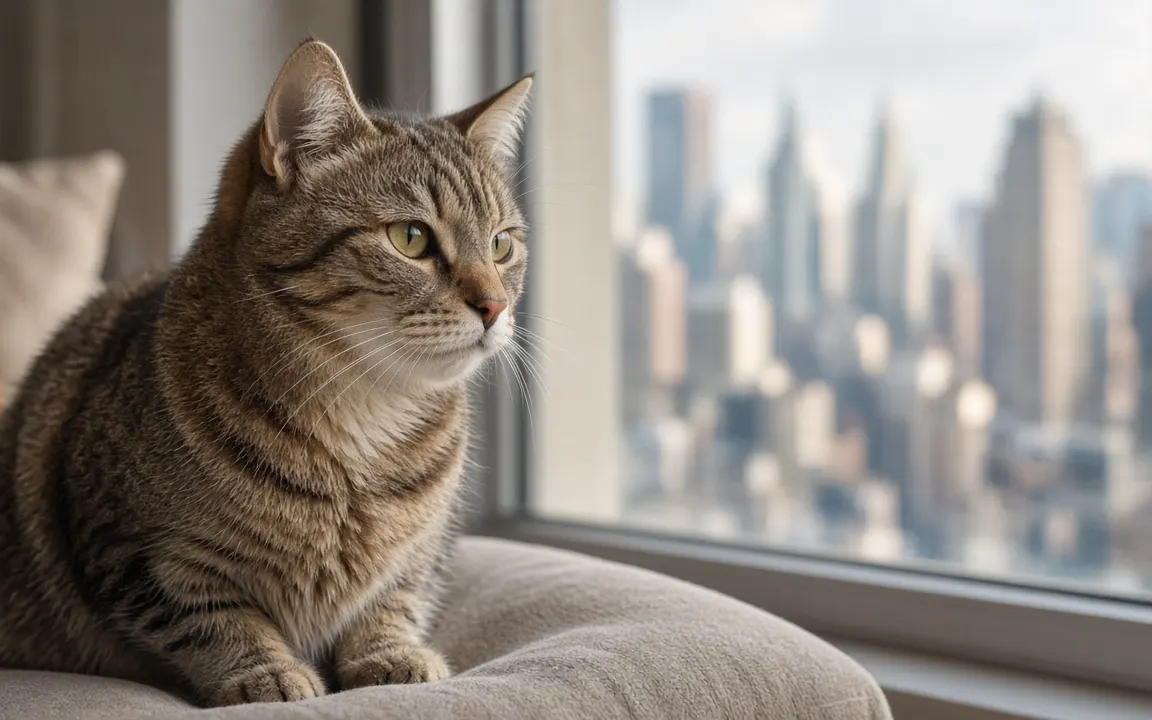
Melbourne, Victoria
How cat cremation works in Melbourne
Melbourne's weather is famously changeable, with cool, damp winters and summer days that can swing into scorching heat on a hot north wind. On those days a pet's body needs cooling quickly: lay them on a towel with frozen gel packs and move them to the coolest part of the home. In winter you have a little more time, but arranging cremation within a day or two is still wise.
Melbourne pets live in inner-city terraces and apartments, and in suburban houses with backyards stretching out to the growth areas. Home collection is common, especially if you don't drive, and backyard burial may be possible on your own property depending on council rules. When you request options, give your suburb and any access details, like stairs or apartment parking, so collection is straightforward.
Cats hide when they're unwell, and in a city apartment that can mean finding your cat under a bed, inside a closet or behind the washing machine. If that's how it happened, please don't blame yourself; it's one of the most cat-like things a cat can do. Gently lift them onto a towel, tuck their legs in as if they were sleeping and place them in a box or basket in the coolest room. From there, one call to a Melbourne provider or your vet starts everything else.
About 5,078,000 people live in Melbourne, which makes it the largest of the 5 Victoria communities we cover.
Families in Melbourne often end up using a provider from Toorak (3 miles), Geelong (40 miles) and Ballarat (63 miles). That is normal: crematories serve a radius, not a single town, and the drive is priced into collection.
Our estimate
690,000
How many cat-owning households Melbourne has (estimate)
How we calculated this
5,078,000 ÷ 2.5 = 2,031,200 households; × 34% (cat) = 690,000. Multi-pet homes count once.
Our estimate
62,000
cat deaths per year in Melbourne, our estimate
How we calculated this
690,000 cat-owning homes ÷ average lifespan (cat: 11.18 yrs) ≈ 62,000 a year. A floor, not a ceiling.
34%[1]
34% of Australian households have at least one cat, up from 27% in 2019.
11.18 years[2]
US cats seen at Banfield hospitals have an average life expectancy at birth of 11.18 years.
71%[3]
Australian cremation rates hovered around 70-72% between 2020 and 2023, with Sydney and Melbourne often above 80%.
clinic $158; home $359; cremation $180; burial $566[4]
CareCredit's 2025 study put US cat euthanasia at $158 in clinic and $359 at home, cat cremation at $180 and cat cemetery burial at $566.
Sources for the statistics above: Montoya et al. 2023, Frontiers in Veterinary Science and CareCredit (Synchrony).
How Australia thinks about cremation
Local habits show up in small ways. Where about 71%[3] of people are cremated, as in Australia, relatives are more likely to keep an urn themselves and less likely to question yours. Some owners keep a cat's ashes so they can one day be placed with a person, or scattered together with another cat from the same home. If that's something you'd like, keep the ashes sealed and labelled, and check the rules for any cemetery you have in mind.
Source for the Australia number: FuneralSmart (2023). Nobody publishes a pet cremation rate for Melbourne, so the human figure is the best local signal available.
How Melbourne's weather affects the first few hours
Weather matters most in the first day. If it's warm in Melbourne, keep your cat in the coolest room with wrapped ice packs alongside them and ask for collection within the day. If it's cold, an unheated room can safely hold your cat until morning. Either way, close the door so other pets can't disturb them, and don't feel you have to rush the goodbye.
Cat cremation costs around Melbourne
About 34%[1] of Australian households now have a cat, up from 27% in 2019, and cat-owning households spend about A$1,656[5] a year on them. End-of-life care can be one of the larger single bills. Some rescues offer lower-cost memorial packages: RSPCA Queensland's individual cremation packages start from AUD 250[6].
For a line-by-line price table, see the Victoria overview; for what's included in each option, see our services.

Free tool
Cremation cost calculator
Estimate a realistic price range for your pet's size, location and the type of cremation.
Burial and scattering rules for Victoria
If you leave your cat at the clinic without choosing, most practices will arrange communal cremation by default, and you won't get ashes back. That's legal and dignified, but it can't be undone. Before you sign a release form, check that the box you've ticked matches what you want. The notes below then cover what Victoria allows for burial and scattering.
In Australia, about 34%[1] of households now have a cat. Many councils restrict backyard burial in suburban areas, and some have cat containment rules or curfews. Summer heat makes prompt collection important. Pet crematoria in the capitals commonly offer home pickup; regional families usually go through their local vet, and most providers price cats in a single small-pet band.
The Victoria page sets out who oversees pet cremation and what the state says about burial and scattering. Melbourne's own bylaws can sit on top of that, so ask before you dig.
What to do next, one step at a time
- If your cat died at the clinic or an emergency hospital, whether on the operating table, in oxygen or on fluids through the night, you can walk out without having decided anything. The team can hold your cat in their cold storage until you've had time to think.
- Ask to see your cat if you missed the moment. Hospitals will usually wrap your cat in a blanket and bring them into a private room, and people often find it helps far more than they thought it would.
- Request a copy of the notes when a death came out of nowhere. A post-mortem is an option too, but only before the cremation, so raise it straight away if you want one.
- Tell the hospital which crematory you want. The provider an emergency hospital normally uses isn't necessarily your regular vet's, and you can pick either, or one you found on your own.
- Check that the hospital records private or communal correctly when they fill in the release paperwork, and take away a copy that carries your cat's name.
- Collect your cat's collar, carrier and blanket, or have the staff keep the blanket with your cat for the journey.
Keeping your cat's memory close in Melbourne
Many Melbourne families picture their pet somewhere specific, like a sunny window in a weatherboard house, the backyard veggie patch, or a spot along the Yarra or by Port Phillip Bay. Families often want to go back there with the ashes, but councils and park authorities have rules, so check before scattering. Planting something in a backyard or pot is another choice. A private cremation lets you keep all options open until you're ready to decide.
there are guides for the big decisions and articles for the details, Our services overview lays out every option side by side, or compare your instinct with the poll results, try the free planning tools. You can also browse every city in Australia. Nearby, we also cover Ballarat, Geelong, Toorak and Bendigo, and every city in Victoria.

Reader polls
What would you choose?
Vote anonymously and see how other readers answered. The results are live counts from people who visit this site, so they show real opinions, not a scientific sample.
Which small keepsake would mean the most from your cat?
Tap an answer to vote and see how others answered. Anonymous.
For your cat, would you want their own ashes returned?
Tap an answer to vote and see how others answered. Anonymous.
If you had to decide today, which aftercare would you choose for your pet?
Tap an answer to vote and see how others answered. Anonymous.

Free tools to help you plan
Cremation cost calculator
Estimate a realistic price range for your pet's size, location and the type of cremation.
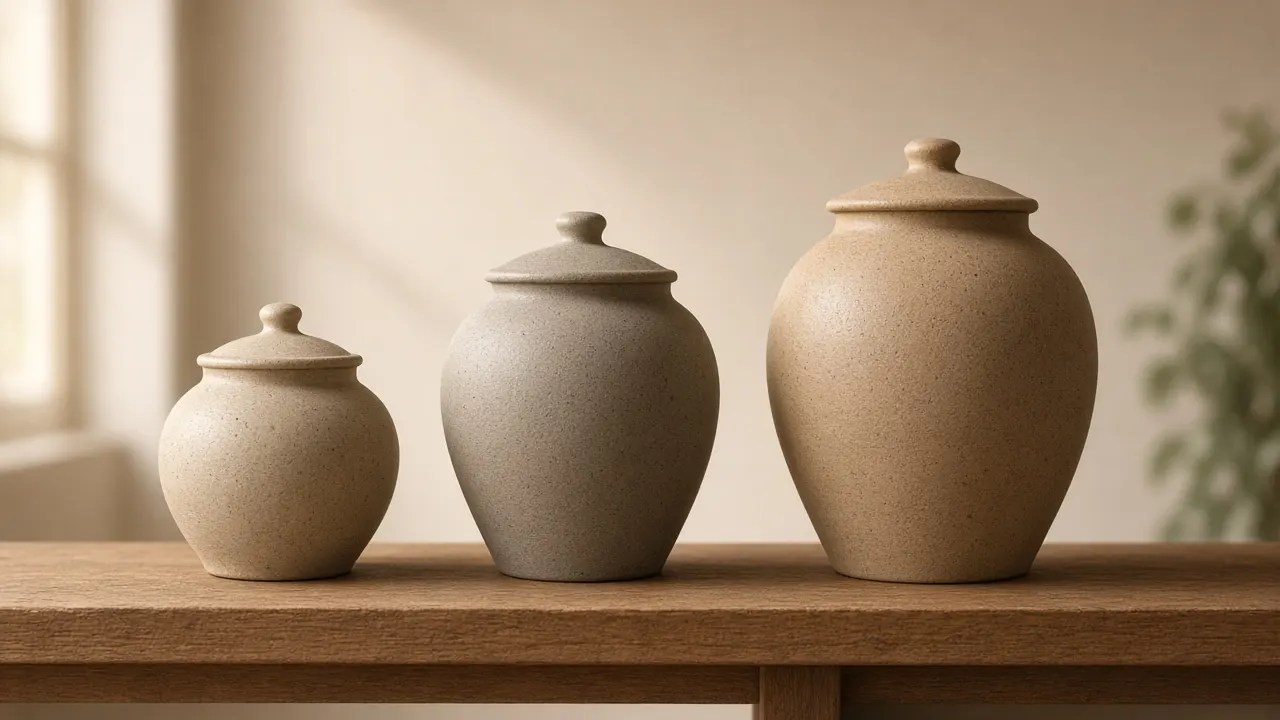
Urn size calculator
Find the urn volume you need from your pet's weight, plus keepsake and sharing options.
Ashes weight estimator
See roughly how much ash to expect back, by species and body weight.
Questions people ask
Is cremation common in Australia?
For people, yes: about 71%[3] of Australia deaths end in cremation, according to FuneralSmart (2023). Nobody publishes the same figure for pets, but in our experience pet choices in Melbourne follow the human pattern closely, so cremation is the default most families here start from.
Roughly how many cats die in Melbourne each year?
Our estimate is around 62,000. It comes from Melbourne's population (about 5,078,000), the average household size, the share of homes with a cat (about 690,000 households here) and the average lifespan. It is arithmetic, not a count, so read it as a rough floor.
Can a provider from a neighbouring town collect from Melbourne?
Usually yes. Toorak is about 3 miles away, Geelong is about 40 miles away and Ballarat is about 63 miles away, all inside a normal collection radius. Get the mileage written into the quote so there is no surprise on the day.
Can I keep my cat's whiskers and fur before cremation?
Yes, and it's easiest before collection. Clip a small lock of fur from somewhere hidden, like the chest or behind a back leg, and keep it in an envelope or small bag. Shed whiskers turn up in beds and on windowsills for weeks, and a glass vial keeps them safe. Many providers can also take a fur clipping or paw print for you if you ask on the first call.
How many cats are there in Melbourne?
By our estimate, about 690,000 households in Melbourne have at least one cat, and around 62,000 cats are lost there each year. We calculate this from the city's population, average household size and national cat ownership and lifespan figures; the method is shown on this page. Many homes have more than one cat, so the true number of cats is higher.
What if my cat died outdoors or was hit by a car near Melbourne?
Bring gloves, a towel and a box, lift your cat gently and take them home or straight to your vet. A vet can scan for a microchip if you're not sure it's your cat, and can arrange cremation from there. A private cremation is still entirely possible, and so is a proper goodbye; the circumstances don't change that. Take someone with you if you can.


Sources and our estimates
- [1] 34% of Australian households have at least one cat, up from 27% in 2019. Animal Medicines Australia, Pets in Australia 2025 (media release), 2025.
- [2] US cats seen at Banfield hospitals have an average life expectancy at birth of 11.18 years. Montoya et al. 2023, Frontiers in Veterinary Science - Banfield Pet Hospital life expectancy tables (13.3 million dogs, 2.4 million cats, 2013-2019), 2023.
- [3] Australian cremation rates hovered around 70-72% between 2020 and 2023, with Sydney and Melbourne often above 80%. FuneralSmart, 2023.
- [4] CareCredit's 2025 study put US cat euthanasia at $158 in clinic and $359 at home, cat cremation at $180 and cat cemetery burial at $566. CareCredit (Synchrony) - Cat Euthanasia: Understanding Your Options and Costs (2025 ASQ360 procedural cost study), 2025.
- [5] Australian cat-owning households spend about A$1,656 a year on their cats. Animal Medicines Australia, Pets in Australia 2025 (media release), 2025.
- [6] RSPCA Queensland's Pets at Rest memorial packages (individual cremation) start from AUD 250, with the memorial returned within 14 days. RSPCA Queensland - Pet cremation (RSPCA Pets at Rest), 2025.
- [7] Roughly 4.7 million pet cats likely die in the US each year. Our estimate: US cat-owning households (53M) x 1 cat / US cat life expectancy (11.18 yrs). How we calculate.
Tell us about your cat
Tell us what you need and where you are. We'll reply by email with clear options and prices so you can decide in your own time.