When your cat dies in Darwin: what happens next
By our estimate, 20,000 Darwin households have at least one cat. When the time comes for yours, here's how cremation works locally and what it usually costs.
- Honest Darwin costs for cats
- Private cremation with ashes returned
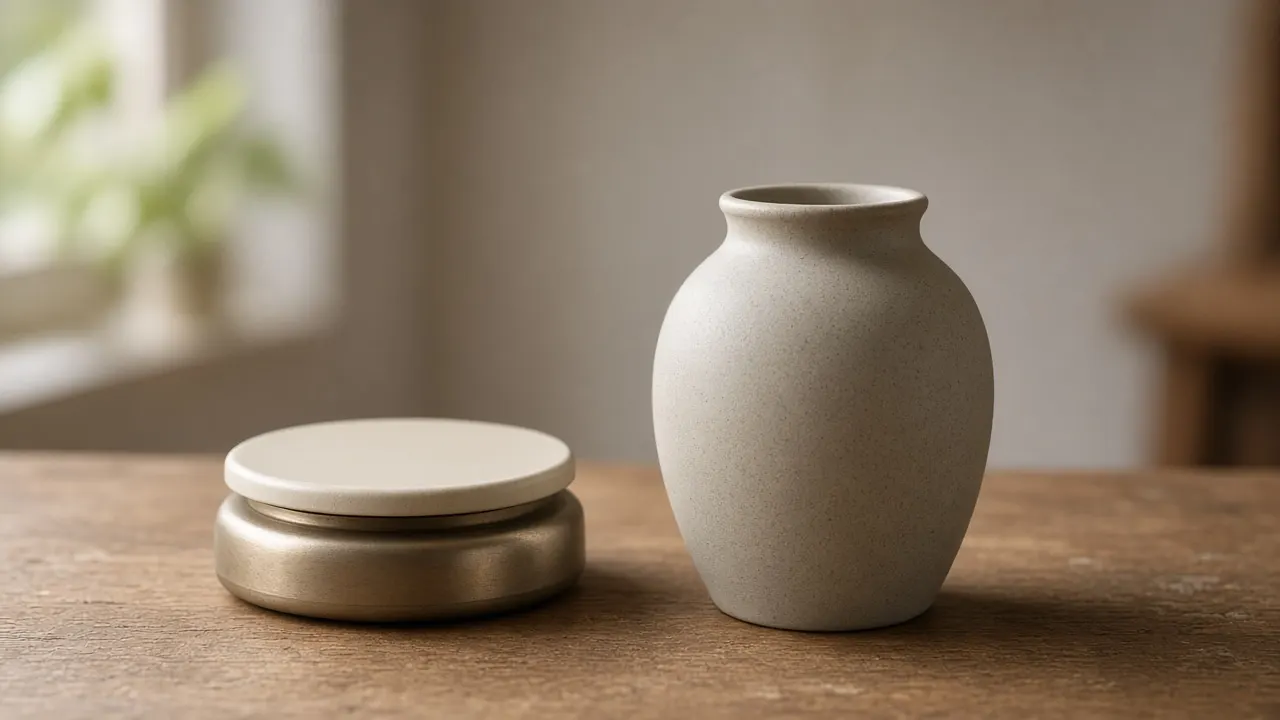
- Small urns sized for a cat
Darwin, Northern Territory
Cat aftercare in Darwin: the local picture
Darwin is Australia's most remote capital, with suburbs spread across the northern suburbs, Palmerston and out into the rural area around Howard Springs and Humpty Doo. Many homes are elevated tropical houses or units, and rural blocks can be a long drive from the city. When you ask for options, include your suburb, whether your pet is at home or at the vet, and any access issues.
Darwin is hot all year, and the build-up and wet season bring intense humidity, monsoon rain and storms. If your pet dies at home, act quickly: wrap your pet in a towel, place ice packs or frozen bottles around the body and keep it in the coolest air-conditioned room. Cyclone warnings and flooded roads can disrupt services, so ask your vet about cold storage.
It can be worth looking a little further afield if you'd like to compare. Providers serving Northern Territory may also cover Darwin, and a slightly longer drive can mean a witnessed cremation or a faster return. Because a cat travels easily in a carrier or lined box on the passenger seat, many Darwin families bring their cat to the crematory themselves, which usually saves the collection fee.
Darwin is home to about 147,000 people.
Our estimate
20,000
How many cat-owning households Darwin has (estimate)
How we calculated this
147,000 ÷ 2.5 = 58,800 households; × 34% (cat) = 20,000. Homes are counted once however many pets they keep.
Our estimate
1,800
Darwin families who lose a cat each year (estimate)
How we calculated this
20,000 cat-owning homes ÷ average lifespan (cat: 11.18 yrs) ≈ 1,800 a year. Treat it as a minimum.
34%[1]
34% of Australian households have at least one cat, up from 27% in 2019.
11.18 years[2]
US cats seen at Banfield hospitals have an average life expectancy at birth of 11.18 years.
71%[3]
Australian cremation rates hovered around 70-72% between 2020 and 2023, with Sydney and Melbourne often above 80%.
clinic $158; home $359; cremation $180; burial $566[4]
CareCredit's 2025 study put US cat euthanasia at $158 in clinic and $359 at home, cat cremation at $180 and cat cemetery burial at $566.
The numbers above come from Animal Medicines Australia, Pets in Australia 2025 (media release) and CareCredit (Synchrony), if you'd like to read the original sources.
The local attitude to cremation
With about 71%[3] of people in Australia choosing cremation, you'll rarely need to explain your decision. It also shapes what's on offer. Providers in high-cremation areas often stock small urns sized for cats, keepsake lockets and whisker or fur vials, because families ask for them. Look at the full range before you choose; with so little ash, even a tiny keepsake box will do.
We take the Australia rate from FuneralSmart (2023). It is a human statistic; there is no equivalent pet figure for Darwin, and we would rather show a real number than invent one.
What the seasons mean for cat owners in Darwin
Seasonal weather also shapes what happens afterwards. Scattering in wind or burying ashes in wet or frozen soil is harder than it sounds, so many families in Darwin keep the urn at home for a while and choose a calm, dry day for any outdoor memorial. There's no time limit on ashes.
What cat cremation costs in Darwin
About 34%[1] of Australian households now have a cat, up from 27% in 2019, and cat-owning households spend about A$1,656[5] a year on them. End-of-life care can be one of the larger single bills. Some rescues offer lower-cost memorial packages: RSPCA Queensland's individual cremation packages start from AUD 250[6].
Rather than repeat the price table on every city page, we keep one for Northern Territory: Northern Territory costs. What each service includes is on the services page.

Free tool
Cremation cost calculator
Estimate a realistic price range for your pet's size, location and the type of cremation.
What Northern Territory allows: burial, scattering and more
Rules for pets after death are usually simple, but they're set at more than one level: Northern Territory, then your city, county or council, and sometimes a homeowners' association or landlord. The strictest one applies. If you're thinking about burying your cat in the garden, check all of them; if you're choosing cremation, the rules mostly affect where you scatter the ashes.
In Australia, about 34%[1] of households now have a cat. Many councils restrict backyard burial in suburban areas, and some have cat containment rules or curfews. Summer heat makes prompt collection important. Pet crematoria in the capitals commonly offer home pickup; regional families usually go through their local vet, and most providers price cats in a single small-pet band.
The Northern Territory page sets out who oversees pet cremation and what the state says about burial and scattering. Darwin's own bylaws can sit on top of that, so ask before you dig.
A simple checklist for the next two days
- If you find your cat outdoors, take a box, a towel and a pair of gloves with you. Ease them onto the towel, then carry them back to the house or the car.
- If you're not sure the cat is yours, or someone nearby found them, any vet can check for a microchip. It takes a clinic only a minute or two.
- Keep your cat in a cool, closed room in the house while you get hold of your vet or a crematory covering Darwin.
- Ask for private or communal cremation and the full price, including collection or drop-off.
- Update the microchip record and tell anyone who helped you look for your cat, so they can stop searching.
- Give yourself some grace. Sudden losses, especially of outdoor cats, bring guilt that isn't deserved. Cats who roam are living the life they chose.
Remembering your cat, in Darwin and beyond
With Darwin so far from other capitals, pet aftercare is arranged locally rather than sent interstate, and services can be more limited than in larger cities. Choose private cremation if you want the ashes back to keep or to scatter later. Choosing communal cremation keeps costs down, but there are no ashes afterwards. If you're thinking of burying your pet on a rural block, check local rules first.
or compare your instinct with the poll results, the planning tools turn your pet's details into figures, the guides answer the longer questions and the blog the newer ones, See what each option includes on our services page. the full list for Northern Territory and for Australia is a click away.

Reader polls
What would you choose?
Vote anonymously and see how other readers answered. The results are live counts from people who visit this site, so they show real opinions, not a scientific sample.
For your cat, would you want their own ashes returned?
Tap an answer to vote and see how others answered. Anonymous.
Which small keepsake would mean the most from your cat?
Tap an answer to vote and see how others answered. Anonymous.
If you had to decide today, which aftercare would you choose for your pet?
Tap an answer to vote and see how others answered. Anonymous.

Free tools to help you plan
Cremation cost calculator
Estimate a realistic price range for your pet's size, location and the type of cremation.
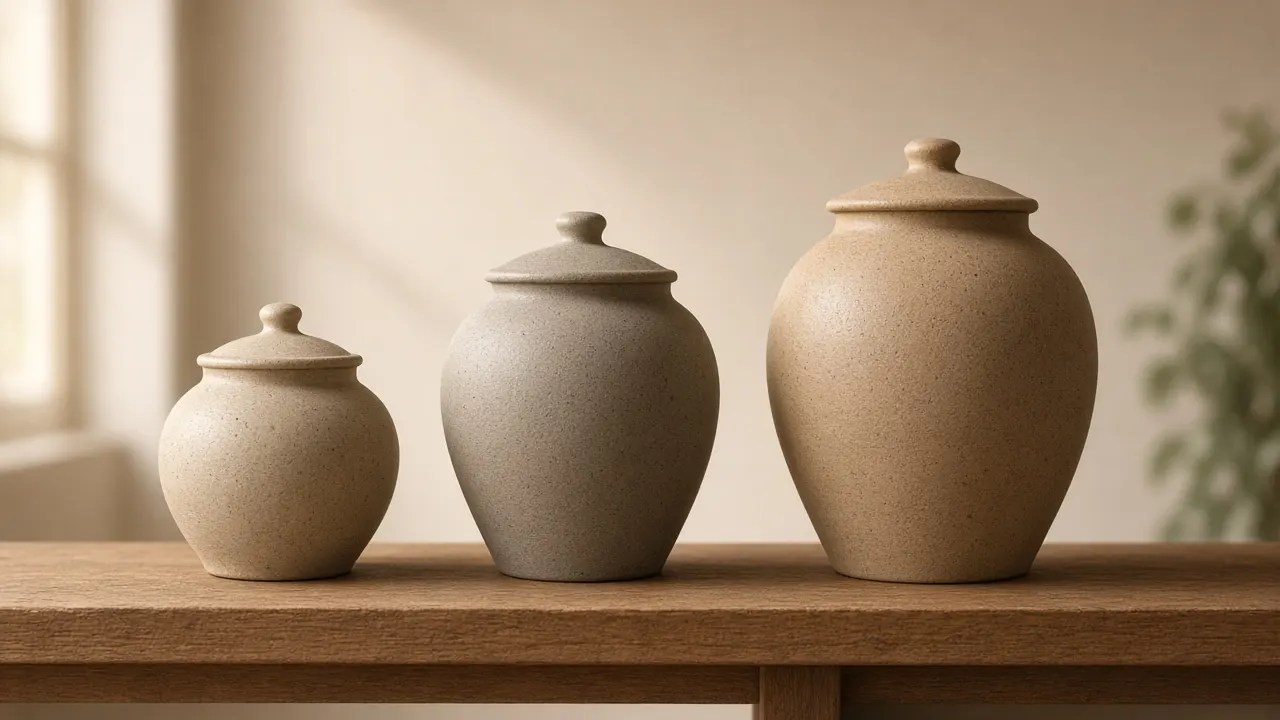
Urn size calculator
Find the urn volume you need from your pet's weight, plus keepsake and sharing options.
Ashes weight estimator
See roughly how much ash to expect back, by species and body weight.
Questions people ask
Is cremation common in Australia?
For people, yes: about 71%[3] of Australia deaths end in cremation, according to FuneralSmart (2023). Nobody publishes the same figure for pets, but in our experience pet choices in Darwin follow the human pattern closely, so cremation is the default most families here start from.
Roughly how many cats die in Darwin each year?
Our estimate is around 1,800. It comes from Darwin's population (about 147,000), the average household size, the share of homes with a cat (about 20,000 households here) and the average lifespan. It is arithmetic, not a count, so read it as a rough floor.
Can I take my cat to the crematory myself?
Usually, yes, and with a cat it's easy. Call first to agree a time, then place your cat in a carrier or a box lined with a blanket, on the floor or back seat of the car, and drive straight there. Many families find this last drive meaningful. It also saves the collection fee, which for a cat can be a large part of the total.
How long until I get my cat's ashes back in Darwin?
Many families get their cat's ashes back within about one to two weeks, and 5 to 10 days is commonly quoted in the US[8]. In a large city it can be quicker; where the cremation happens in a larger centre like Darwin, it may take a little longer. Ask for an expected return date when you book.
Should I choose cremation or burial for my cat?
Surveys in the US and UK point the same way: roughly two-thirds of bereaved owners choose cremation and about 30% choose burial[9]. A cat's small size makes a garden burial easy where it's allowed, but cremation is simpler if you rent, might move or want your cat close. You can combine them by burying the ashes.
How many cats are there in Darwin?
By our estimate, about 20,000 households in Darwin have at least one cat, and around 1,800 cats are lost there each year. We calculate this from the city's population, average household size and national cat ownership and lifespan figures; the method is shown on this page. Many homes have more than one cat, so the true number of cats is higher.


Sources and our estimates
- [1] 34% of Australian households have at least one cat, up from 27% in 2019. Animal Medicines Australia, Pets in Australia 2025 (media release), 2025.
- [2] US cats seen at Banfield hospitals have an average life expectancy at birth of 11.18 years. Montoya et al. 2023, Frontiers in Veterinary Science - Banfield Pet Hospital life expectancy tables (13.3 million dogs, 2.4 million cats, 2013-2019), 2023.
- [3] Australian cremation rates hovered around 70-72% between 2020 and 2023, with Sydney and Melbourne often above 80%. FuneralSmart, 2023.
- [4] CareCredit's 2025 study put US cat euthanasia at $158 in clinic and $359 at home, cat cremation at $180 and cat cemetery burial at $566. CareCredit (Synchrony) - Cat Euthanasia: Understanding Your Options and Costs (2025 ASQ360 procedural cost study), 2025.
- [5] Australian cat-owning households spend about A$1,656 a year on their cats. Animal Medicines Australia, Pets in Australia 2025 (media release), 2025.
- [6] RSPCA Queensland's Pets at Rest memorial packages (individual cremation) start from AUD 250, with the memorial returned within 14 days. RSPCA Queensland - Pet cremation (RSPCA Pets at Rest), 2025.
- [7] A 12 lb cat would be expected to return about 6.7 oz (0.42 lb) of cremated remains. Our estimate: 12 lb x 3.5% x 16 oz/lb. How we calculate.
- [8] A US aftercare guide says many families receive private cremation ashes within about one to two weeks, with 5-10 days commonly quoted. Funeral.com - Pet Cremation Timelines: How Long Until Ashes Are Returned, 2026.
- [9] UK and US survey evidence converges on roughly two-thirds of bereaved owners choosing cremation (UK 67%; US 68% ever) and about 29-32% choosing burial. Our estimate: mean(67, 68) = 67.5; burial range 29% (UK) to 32% (US). How we calculate.
Get help arranging your cat's cremation
Tell us what you need and where you are. We'll reply by email with clear options and prices so you can decide in your own time.